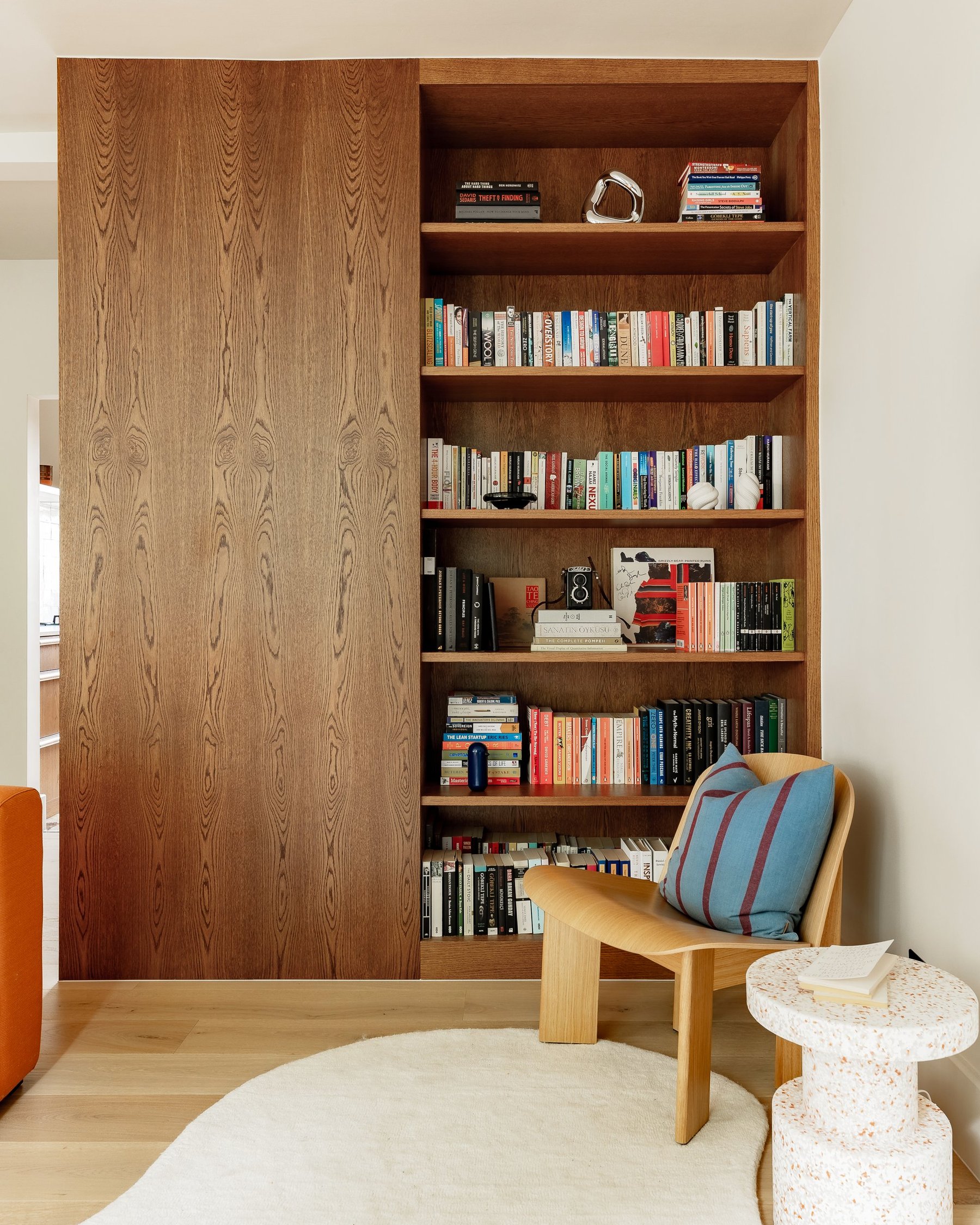
For interior designers and architects, custom joinery is often the most important part of any layout or design. Not only is it a key visual focal point, but it usually serves most of the room’s basic functionality. Because bespoke joinery is tailored to your exact needs and tastes, getting it right is crucial.
What is bespoke joinery?
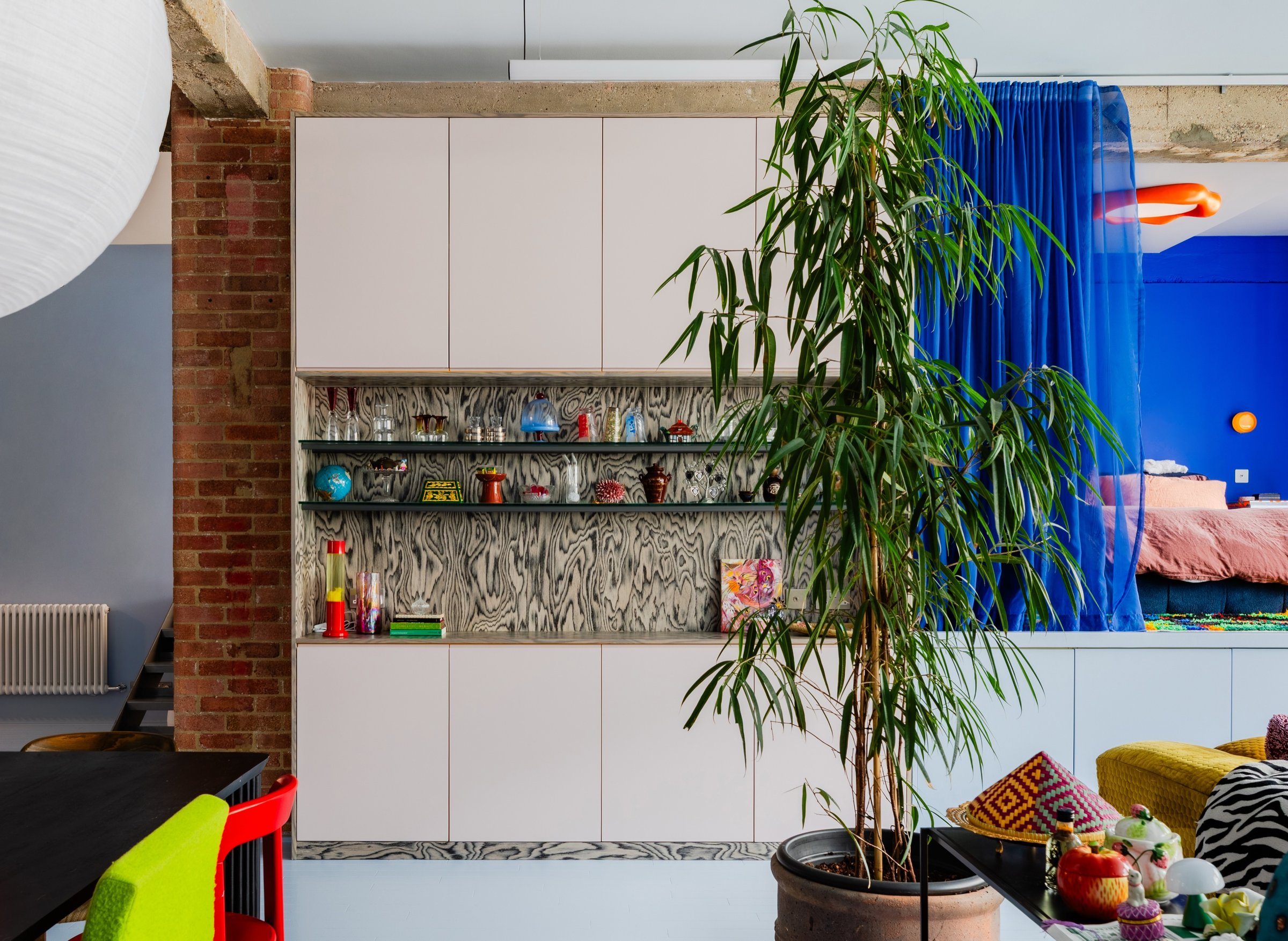
Bespoke joinery (or custom cabinetry) is purpose-built carpentry designed specifically for your space. This usually involves commissioning a skilled workshop to manufacture and install pieces throughout your home. In most cases, these will have been designed by an interior designer or architect, although some workshops can assist with the design process directly, particularly for simpler or more standardised styles.
What’s the difference between carpentry and joinery?
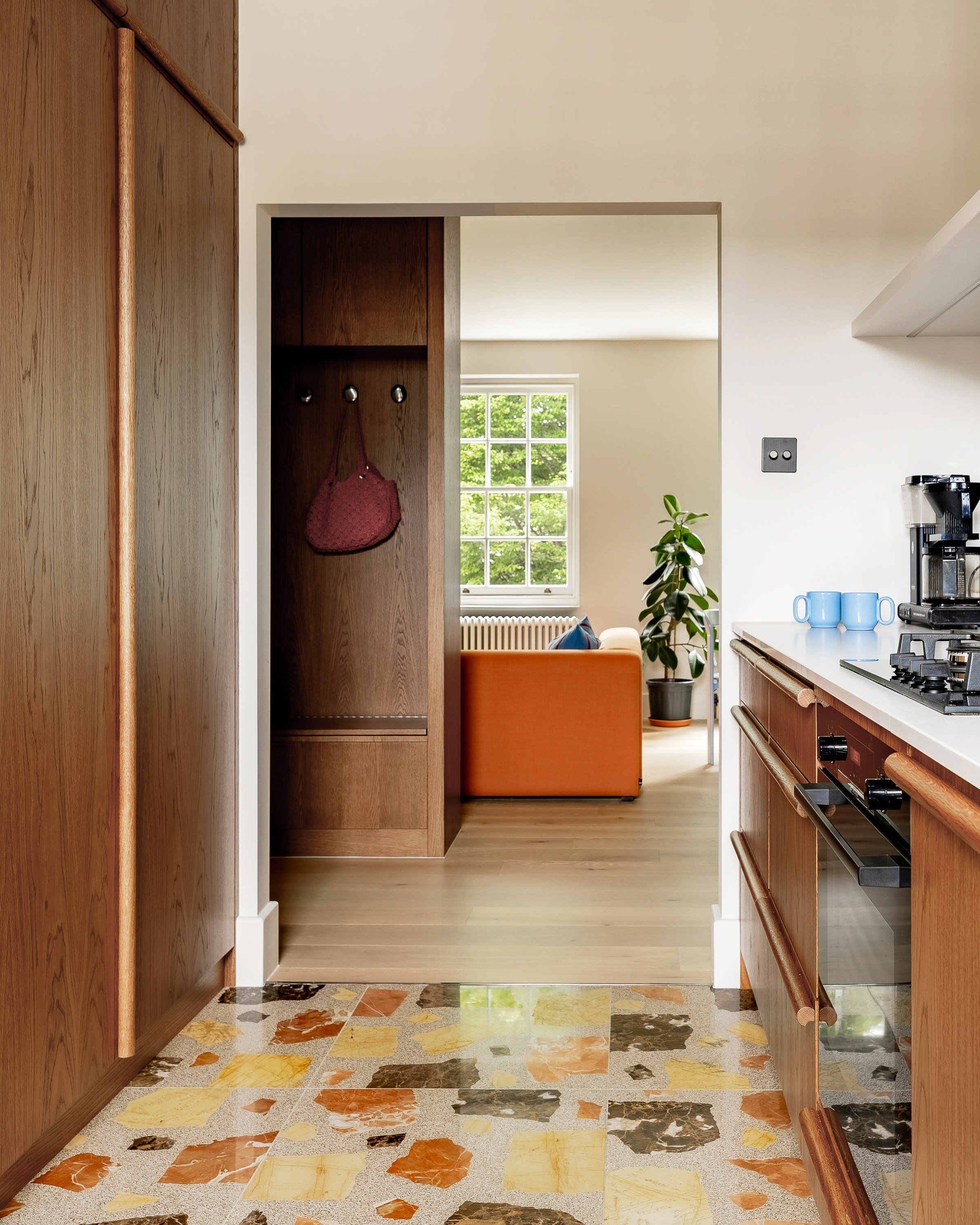
The primary difference between an on-site carpenter and a custom joiner lies in the manufacturing process. True joinery is produced in a workshop, which allows for a far greater range of finishing options and a higher level of design complexity.
A joinery workshop can work with everything from wood veneers and solid timber to sprayed and stained finishes, whereas an on-site carpenter will typically work with materials such as hand-painted MDF.
What is the best material to manufacture joinery from?
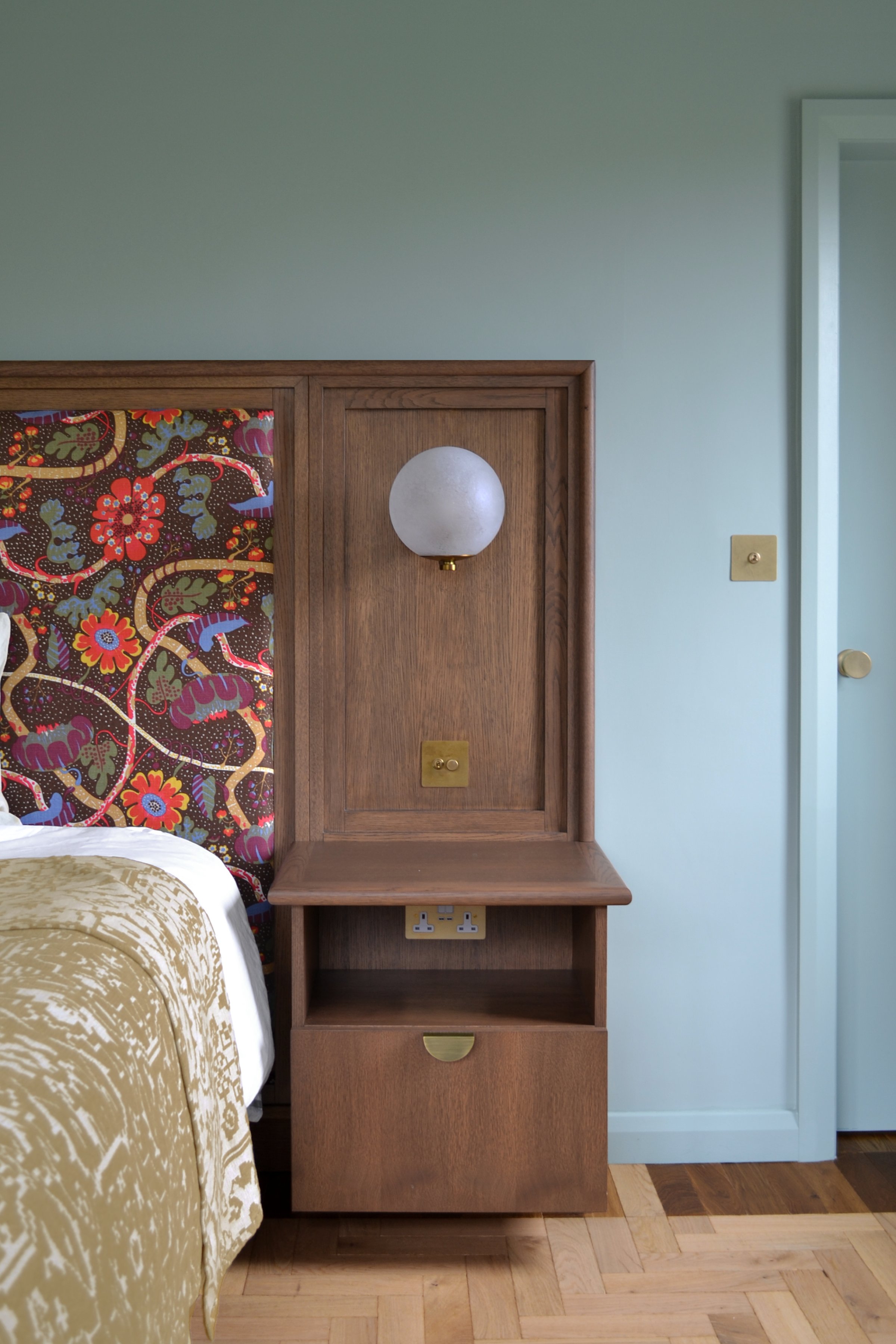
There is a common misconception that solid wood is the best option for high-end joinery. In reality, solid wood naturally expands, contracts and moves over time, making it less suitable for certain fitted pieces where millimetre-perfect precision is essential. For this reason, a common industry standard for high-end fitted joinery is to use a quality MDF core, finished with either an A-grade wood veneer or a sprayed paint finish.
For freestanding pieces, drawers and smaller items, solid wood can be a more suitable option. For furniture such as tables and chairs, it is often ideal, thanks to its strength, durability and ability to age beautifully. Scuffs and marks can often be sanded away and oiled, which can totally revive an older piece.
If you’re looking to achieve a painted finish, there are two main options: sprayed or hand-painted. Both have their advantages and disadvantages.
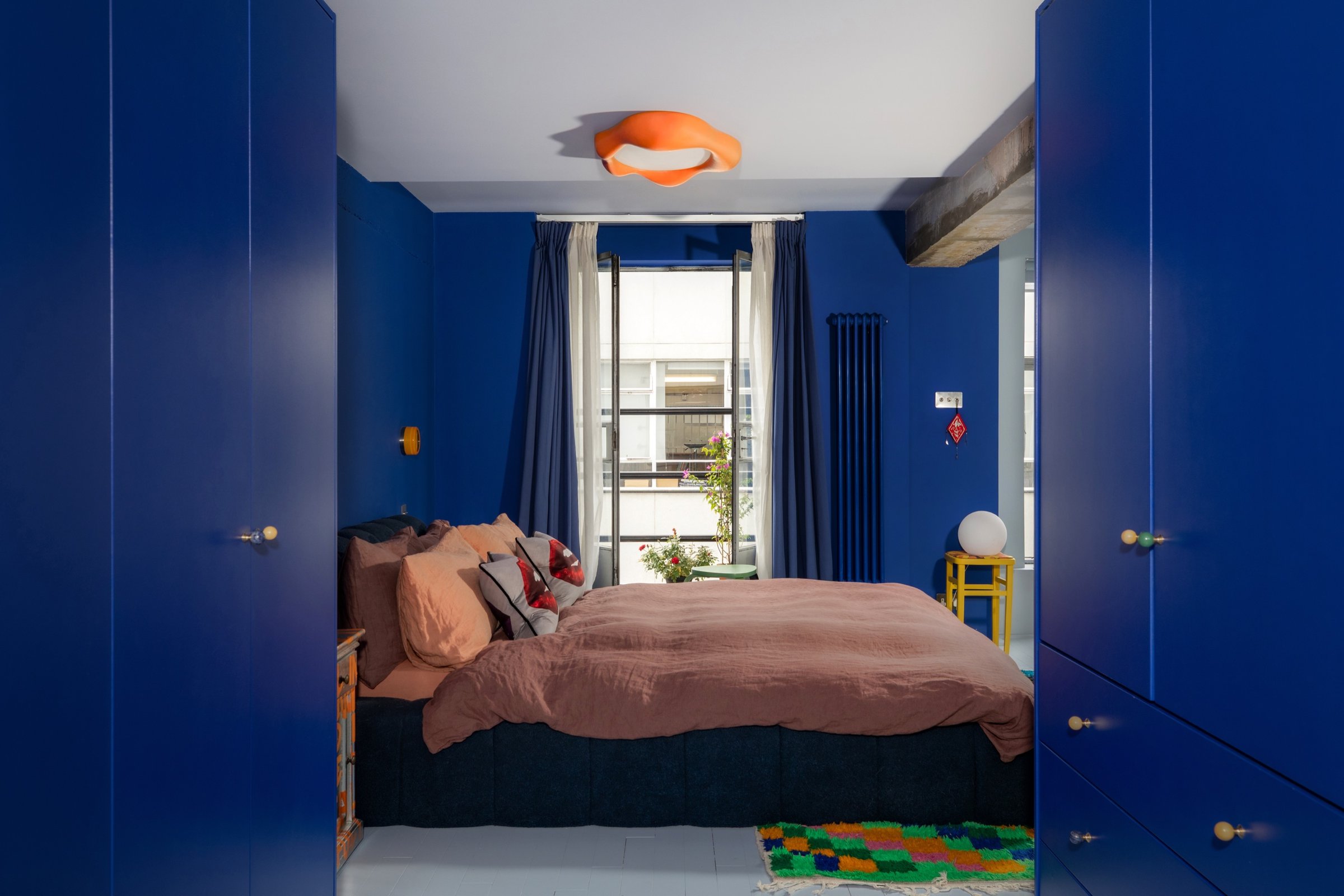
A sprayed finish generally creates a more refined, contemporary appearance, with a smooth and consistent surface. It can also be more durable thanks to the curing process, which hardens the paint. However, sprayed finishes can still be prone to chipping, and any damage will usually require specialist repair to achieve a seamless result.
A hand-painted finish tends to have a slightly more traditional or rustic character, making it particularly well suited to classic interiors. You can still experiment with different sheens, from high-gloss to matt, although the texture will not be quite as uniform as a sprayed finish. While hand-painted surfaces may be more susceptible to marks and wear, they are generally much easier to touch up.
Another important material to consider is melamine, which is commonly used for cabinetry interiors due to its durability, practicality and cost-effectiveness. Available in a wide range of colours and finishes, it is often an excellent choice for bespoke cabinetry where budget is a consideration.
Although it may not have quite the same premium feel as a timber-lined interior, melamine can be the more practical option in certain spaces. This is particularly true in kitchens, where cupboard interiors are subject to frequent knocks, spills and everyday wear.
Do I need joinery drawings to obtain a quote for a piece?
Generally speaking, yes. Even if you’re working from a fairly basic sketch or reference image, a joiner will need to understand the dimensions, functionality and materials you have in mind to provide an accurate quotation.
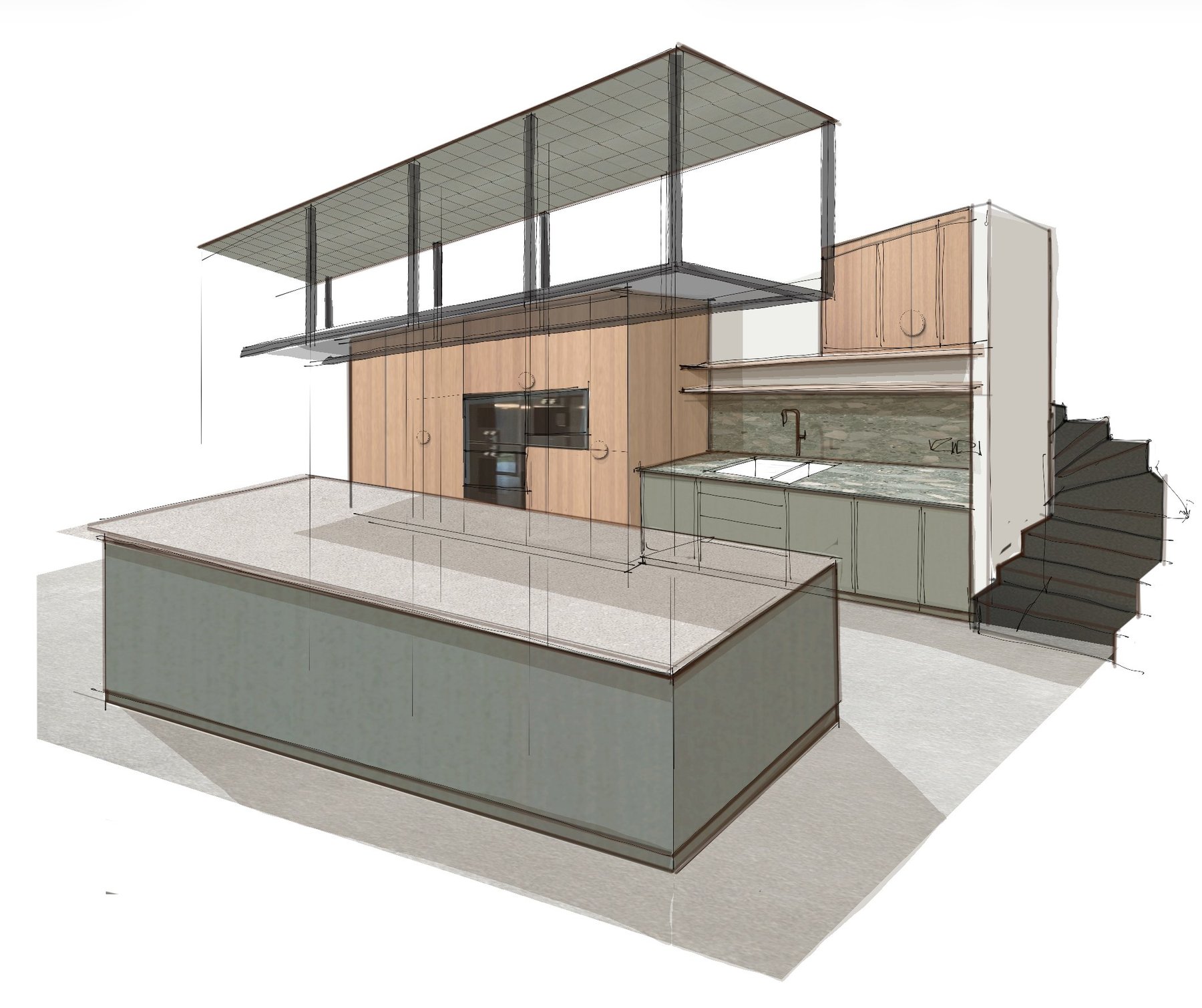
That being said, because bespoke joinery plays such an important role in the overall design of a space, we would always recommend working with a designer to ensure you’re making the most of every piece.
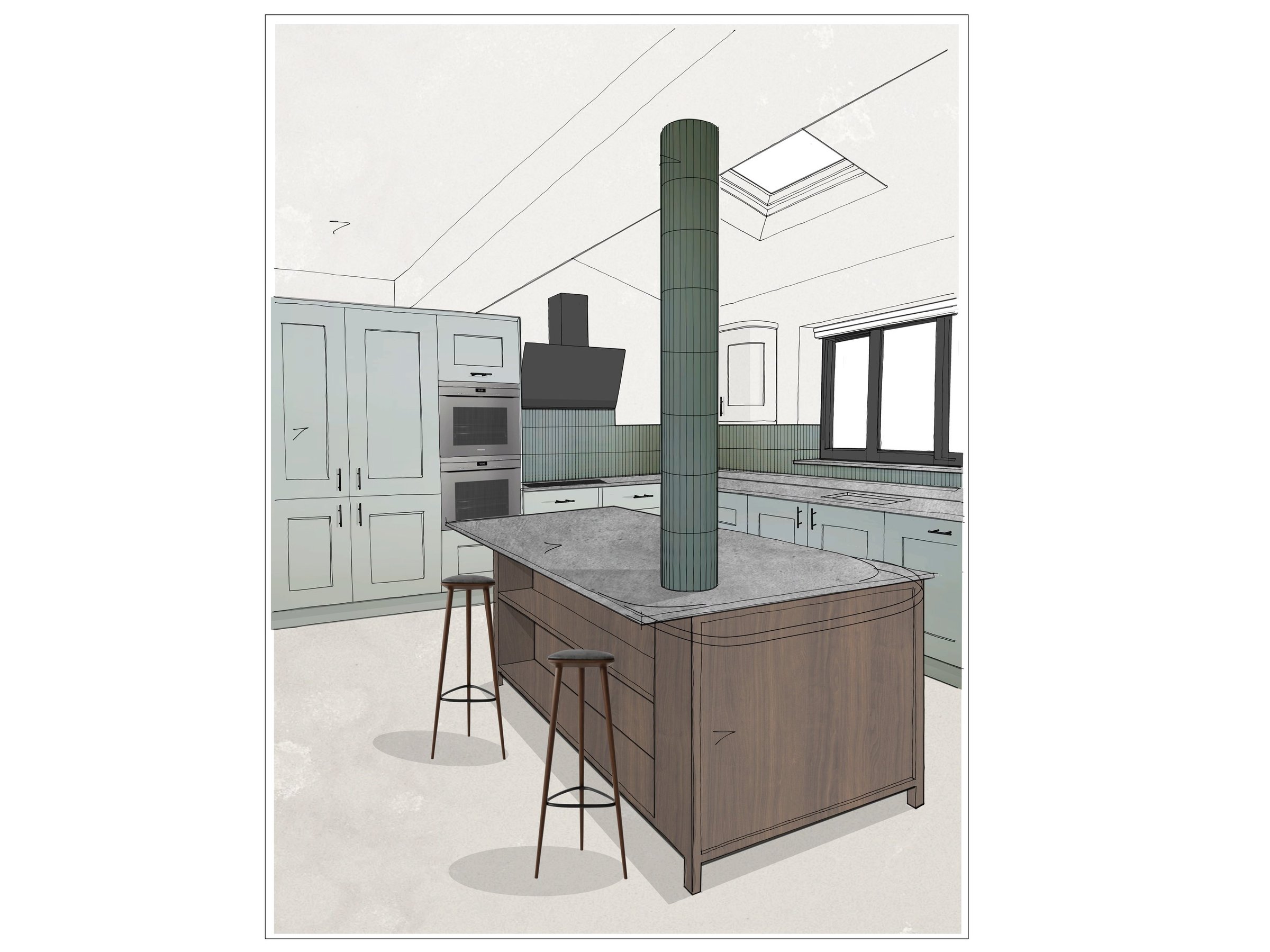
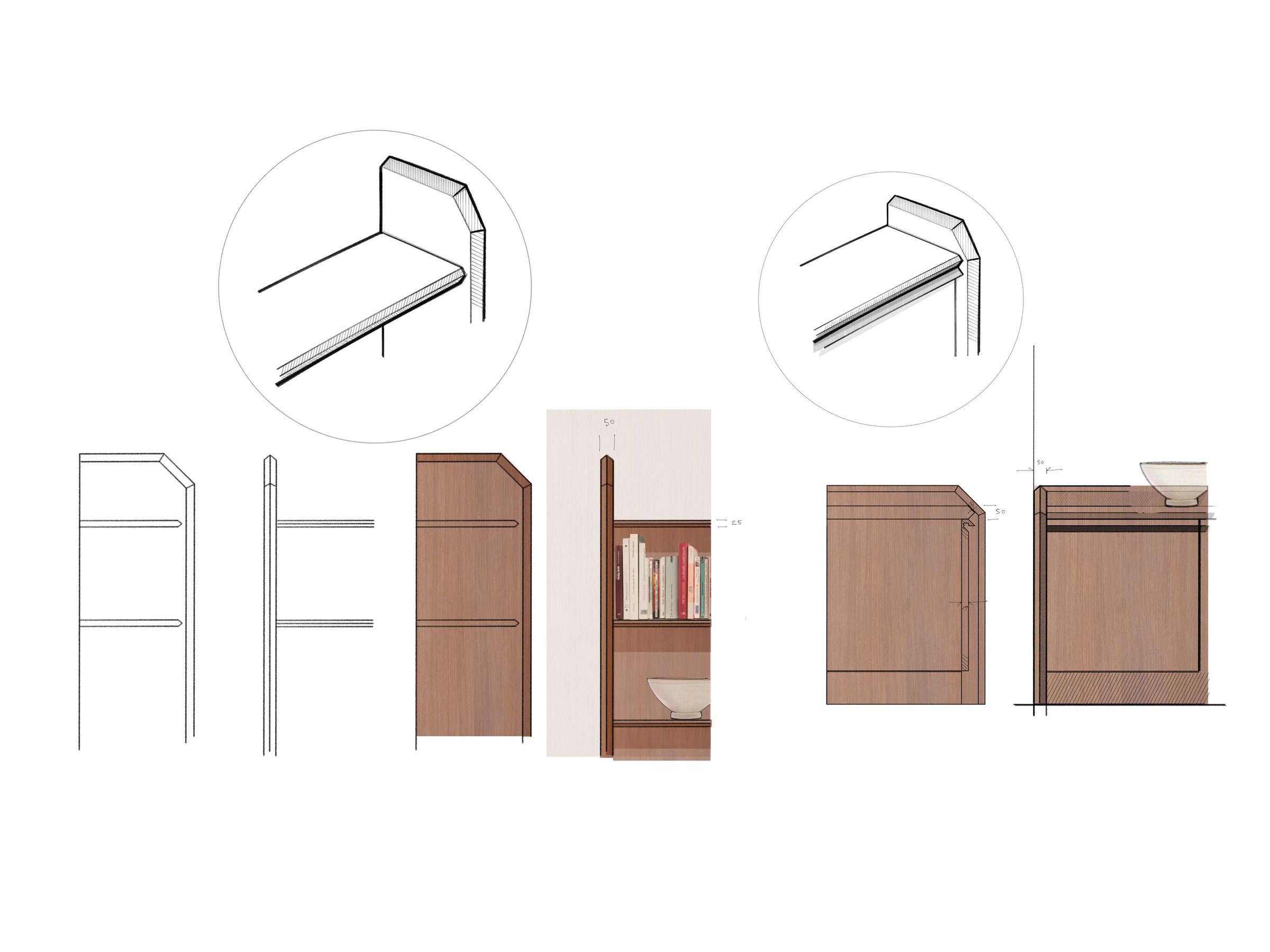
At K&L, we offer a bespoke joinery design and quotation service, providing detailed visuals and technical joinery drawings to help bring your ideas to life. We charge a nominal fee per room, which is reimbursed should you decide to commission the joinery through us.
For more information on our service and fees, please get in touch.