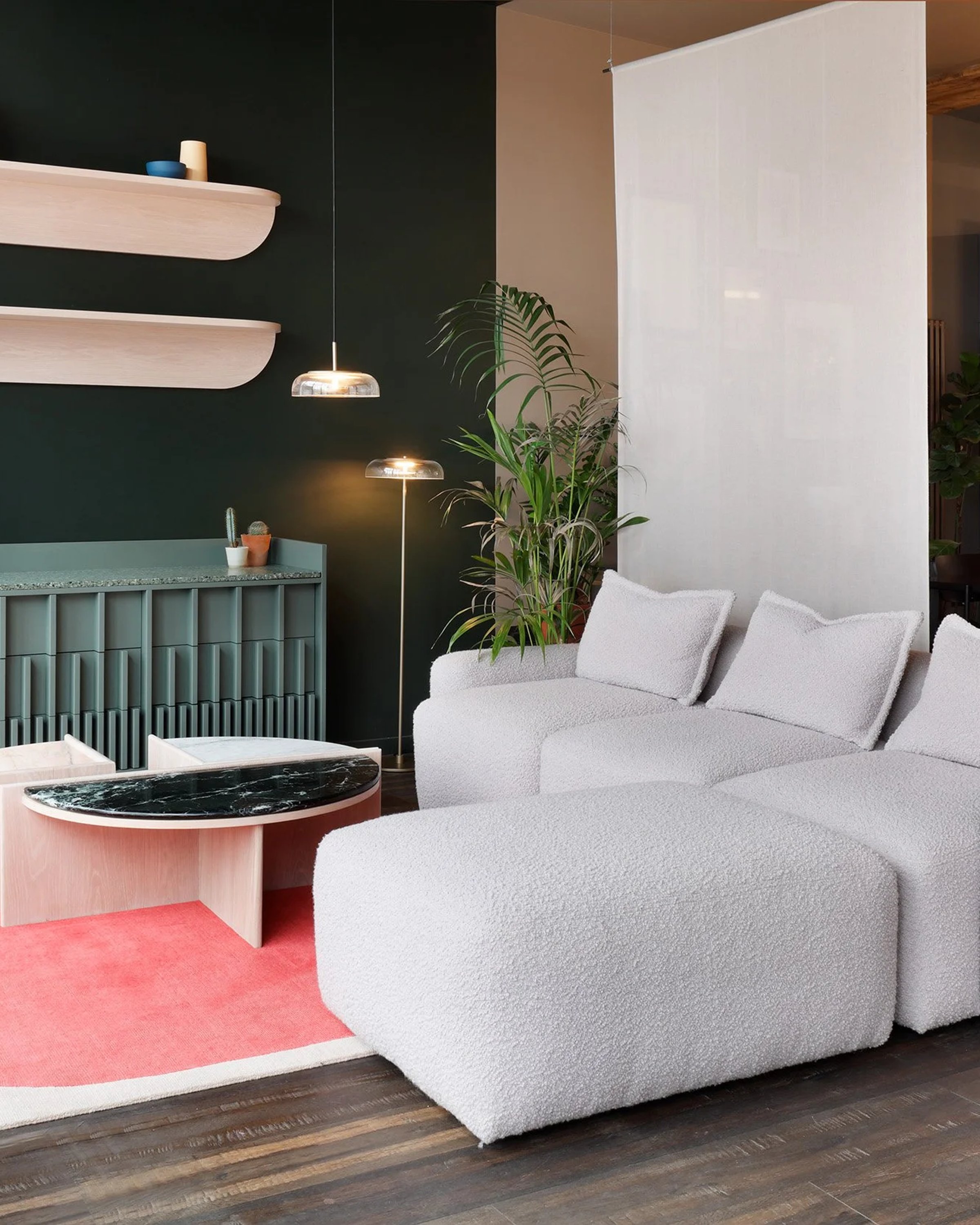
Choosing between boutique firms and large agencies for creative projects often feels like deciding whether to dine at a cosy local bistro or a grand buffet. Each one offers a distinct experience, shaped by how they work and how they collaborate with you.
Boutique firms are known for tailored design solutions that respond directly to client needs, while larger agencies tend to excel when managing complex projects with extensive resources. Finding the right balance depends on what you value most, whether that is close collaboration or broad operational scale.
To understand this difference clearly, it helps to look first at the personalised design approach that boutique studios prioritise.
Personalised design approach
When weighing your options between boutique firms and large agencies, a personalised design approach often becomes a decisive factor. Boutique studios, including the best interior designers in London, are recognised for their hands-on involvement and close collaboration that ensures each client’s vision is translated with care and precision.
With smaller teams frequently led by senior designers, these firms focus on custom concepts rather than generic frameworks. Each project is shaped around specific lifestyle needs, spatial challenges, and aesthetic goals, allowing for solutions that feel intentional and refined. This agility gives boutique firms a strong advantage when navigating tight timelines or adapting designs as client needs evolve.
When you partner with experienced interior specialists, this bespoke mindset ensures every element of the space reflects how you live or work. Materials, layouts, and finishes are selected with purpose rather than convenience.
It is often for this reason that homeowners, developers, and brands at key growth stages choose boutique firms, as focused attention and creative flexibility tend to deliver results that feel both distinctive and enduring.
Scale of operations impact
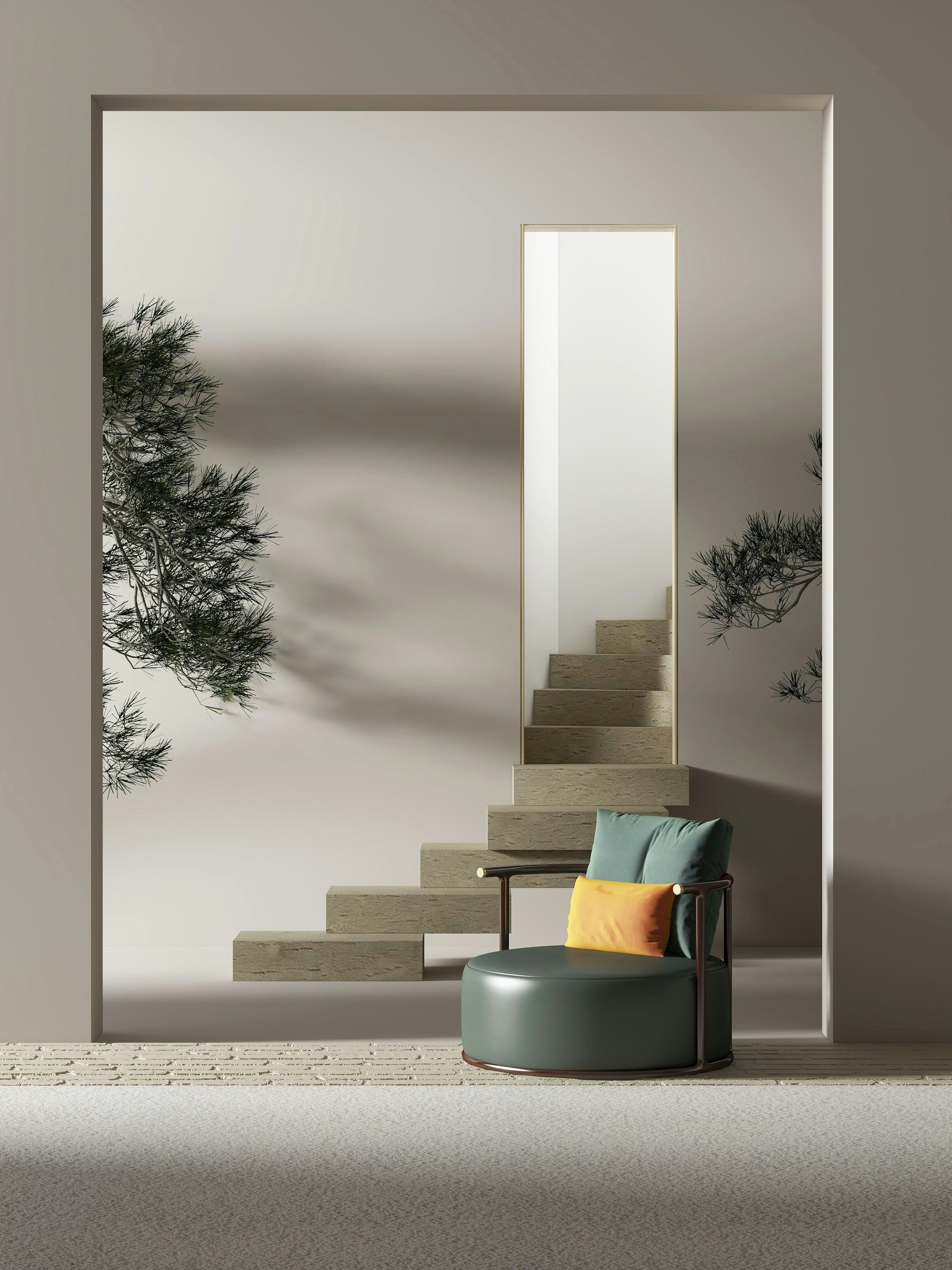
The scale at which a design studio operates can significantly influence how projects are delivered. Boutique firms typically operate with smaller teams, often under 10 people, allowing them to concentrate on specialised services while maintaining a nimble approach to client communication and execution.
This structure encourages strong client relationships, though it can place natural limits on the number of simultaneous projects a firm can manage. In contrast, larger interior design companies often employ dozens of designers and project managers, supported by formal systems and established workflows that allow them to handle multiple large-scale projects at once.
However, as agencies grow, maintaining consistency and design integrity can become more challenging. Coordinating across departments, managing multiple teams, and preserving a unified creative vision require additional layers of oversight.
Industry data continues to show growing demand for boutique studios, with 84% operating with teams of fewer than fifty people, reflecting a strong preference for personalised service within the interior design sector.
Project collaboration dynamics
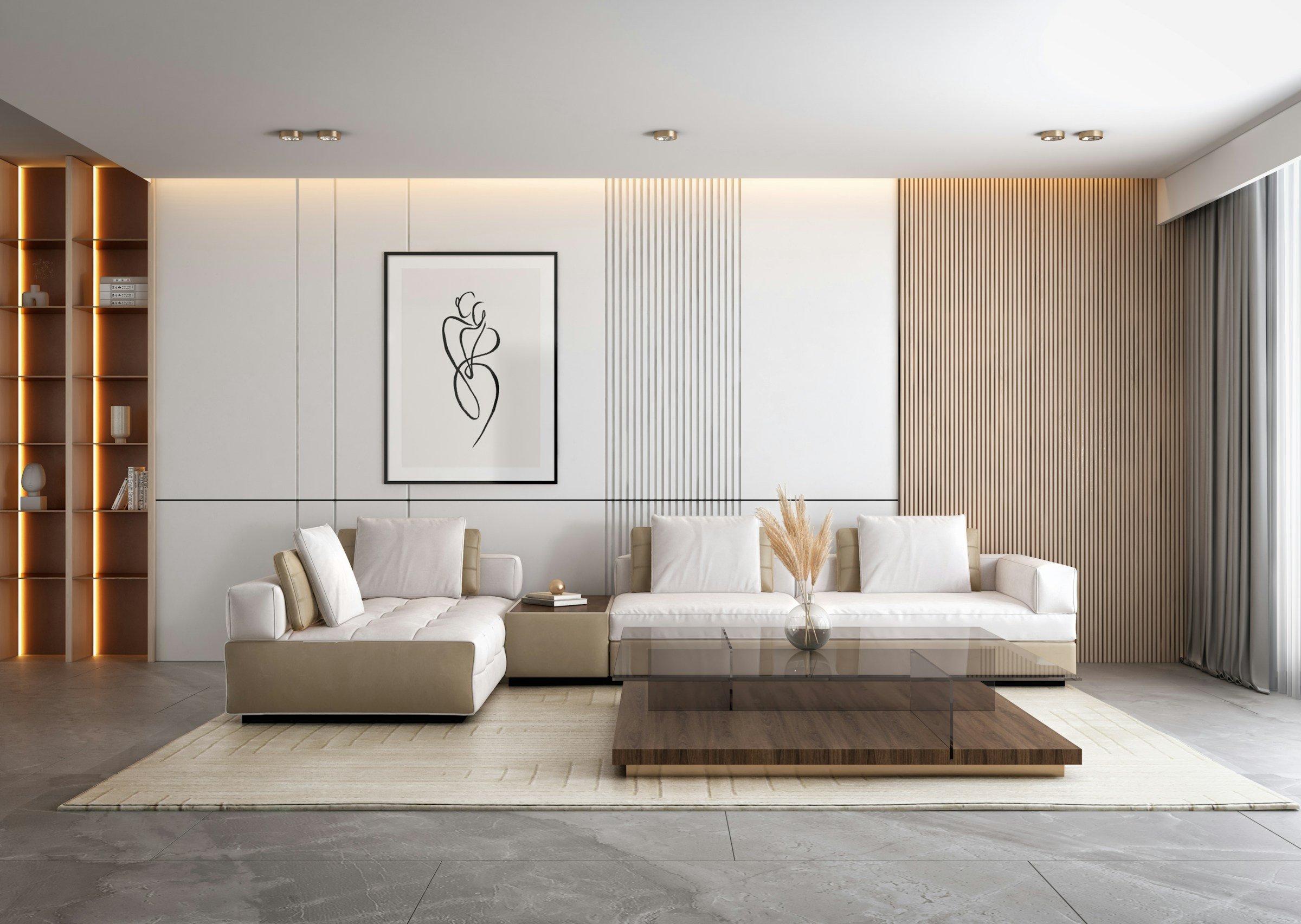
In day-to-day project collaboration, boutique firms offer a clear advantage through direct access to decision-makers. For example, a residential client undertaking a full home renovation may benefit from regular conversations with the lead designer, allowing ideas to evolve naturally and ensuring the final outcome aligns closely with their expectations.
This close working relationship supports confident decision-making and helps prevent misalignment as projects progress. Larger agencies, by comparison, often rely on layered communication structures, which can be effective for large commercial developments but may feel less personal for individual clients.
Long-term partnerships are another area where boutique firms tend to excel. Consistent collaboration with the same design team builds trust and ensures a deep understanding of a client’s preferences, values, and functional needs.
Selecting between boutique firms and large agencies ultimately comes down to priorities. Boutique firms such as K&L offer focused attention, creative clarity, and adaptable design solutions shaped around your goals. We work in close partnership with our clients, ensuring every detail is considered and every space reflects its intended purpose.
Larger agencies may bring scale and resources, but they can lack the intimacy and responsiveness that define boutique studios. If you value a collaborative experience where your vision remains central throughout the process, working with a dedicated boutique firm may be the most rewarding choice.
